
Drive Traffic and Conversions with SEO-First Web Designe
Most websites are designed backwards. Businesses obsess over colours, layouts, and visuals, then try to “add SEO” at the end. But if you want a site that actually ranks, drives traffic, and converts, you need SEO‑first web design from the very beginning.
Design and SEO aren’t separate disciplines anymore. They’re two halves of the same strategy. When they work together, your website becomes a growth engine from day one.
Here’s how to build a site that looks great, loads fast, and shows up where your customers are searching.
Start with a clear site structure for SEO first web design
Search engines love clarity. Humans do too.
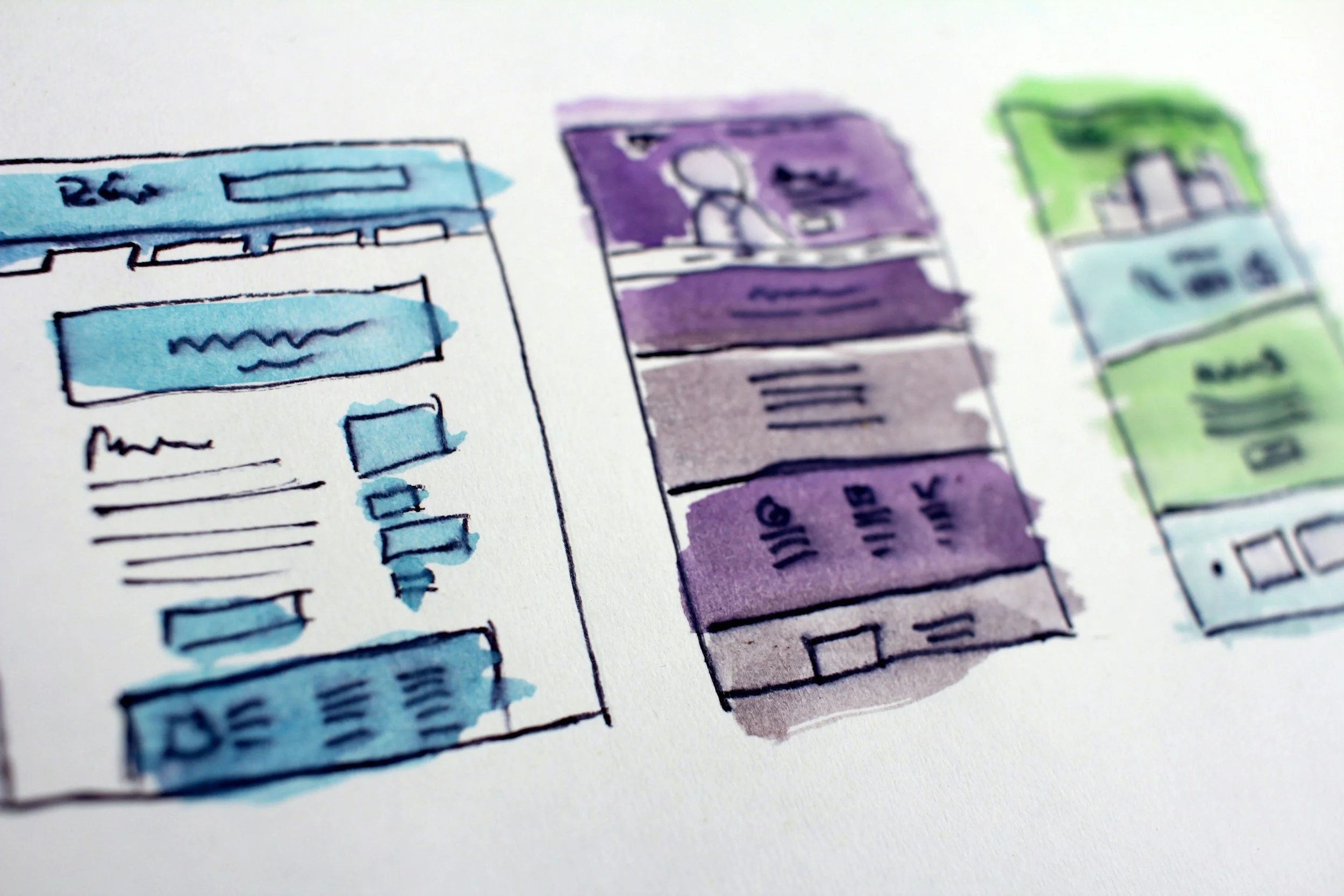
Before you design anything, map out your pages. Think about your core services, supporting content, and the search intent behind each page. A clean structure helps Google understand your site and helps visitors find what they need without friction.
This is the foundation of SEO‑first web design.
Use clean, readable content
Your content should be easy to scan and easy to understand. Short paragraphs. Clear headings. Straightforward language.
Search engines reward clarity because it improves user experience. And user experience is a ranking factor.
Write for humans first, then refine for search.
Optimize your on‑page elements early
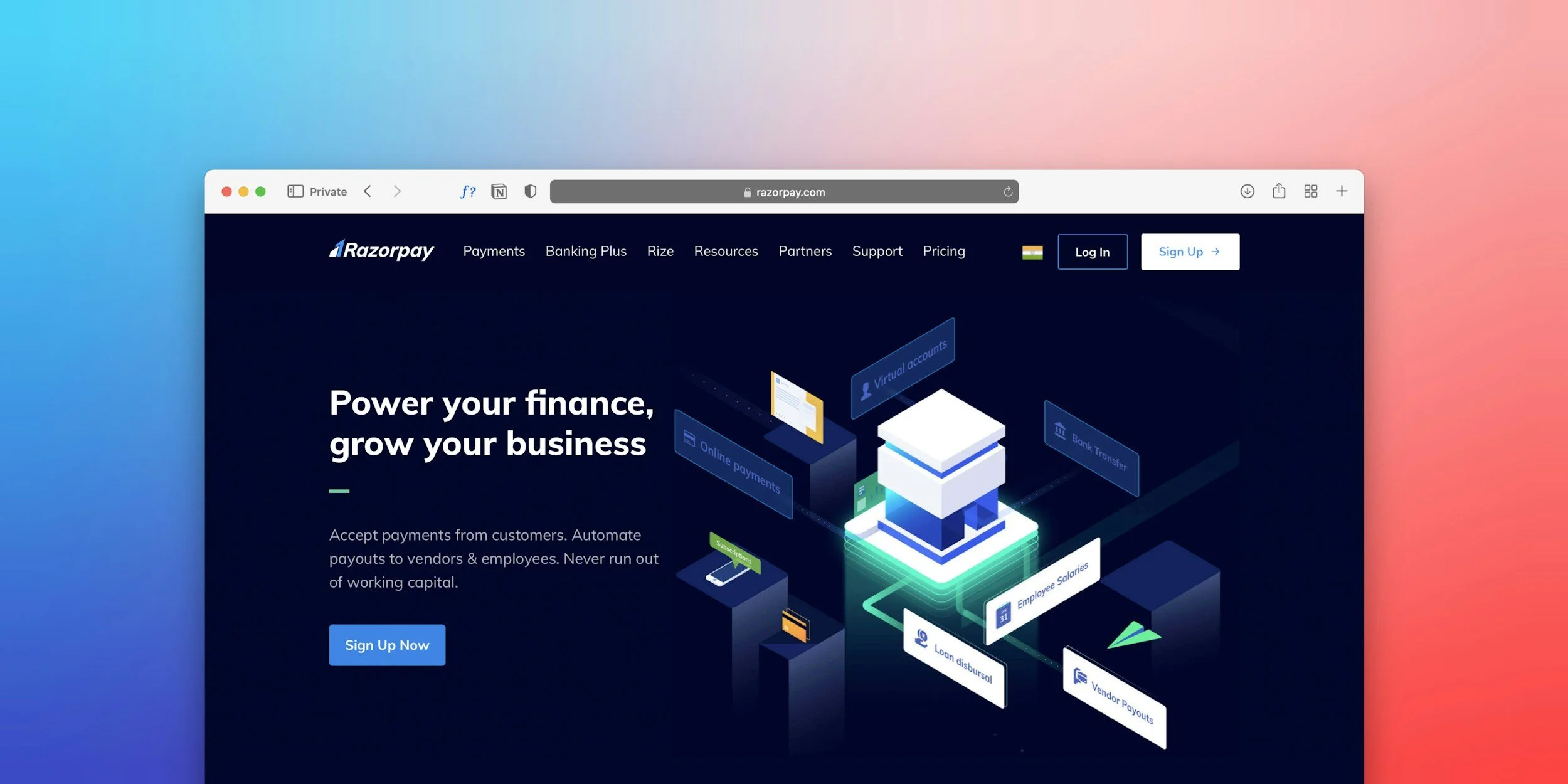
When SEO is baked into the design process, you avoid messy rewrites later.
Focus on:
• keyword‑aligned page titles
• descriptive meta descriptions
• clean URLs
• proper heading hierarchy
• alt text for images
These elements help search engines understand your content and index it correctly.

Prioritize mobile performance
Most visitors will see your site on a phone. Google indexes mobile versions first. That means mobile design isn’t optional — it’s the core of SEO‑first web design.
Make sure your site:
• loads quickly
• uses readable text sizes
• has tap‑friendly buttons
• avoids clutter and long scroll traps
A fast, clean mobile experience boosts rankings and conversions.

Use fast, optimized media
Large images and videos slow down your site. Slow sites drop in rankings.
Compress your images. Use consistent ratios. Keep file sizes lean. Squarespace and other modern platforms make this easy, but you still need to be intentional.
Fast load times are a core pillar of SEO‑first web design.
Build trust with strong UX
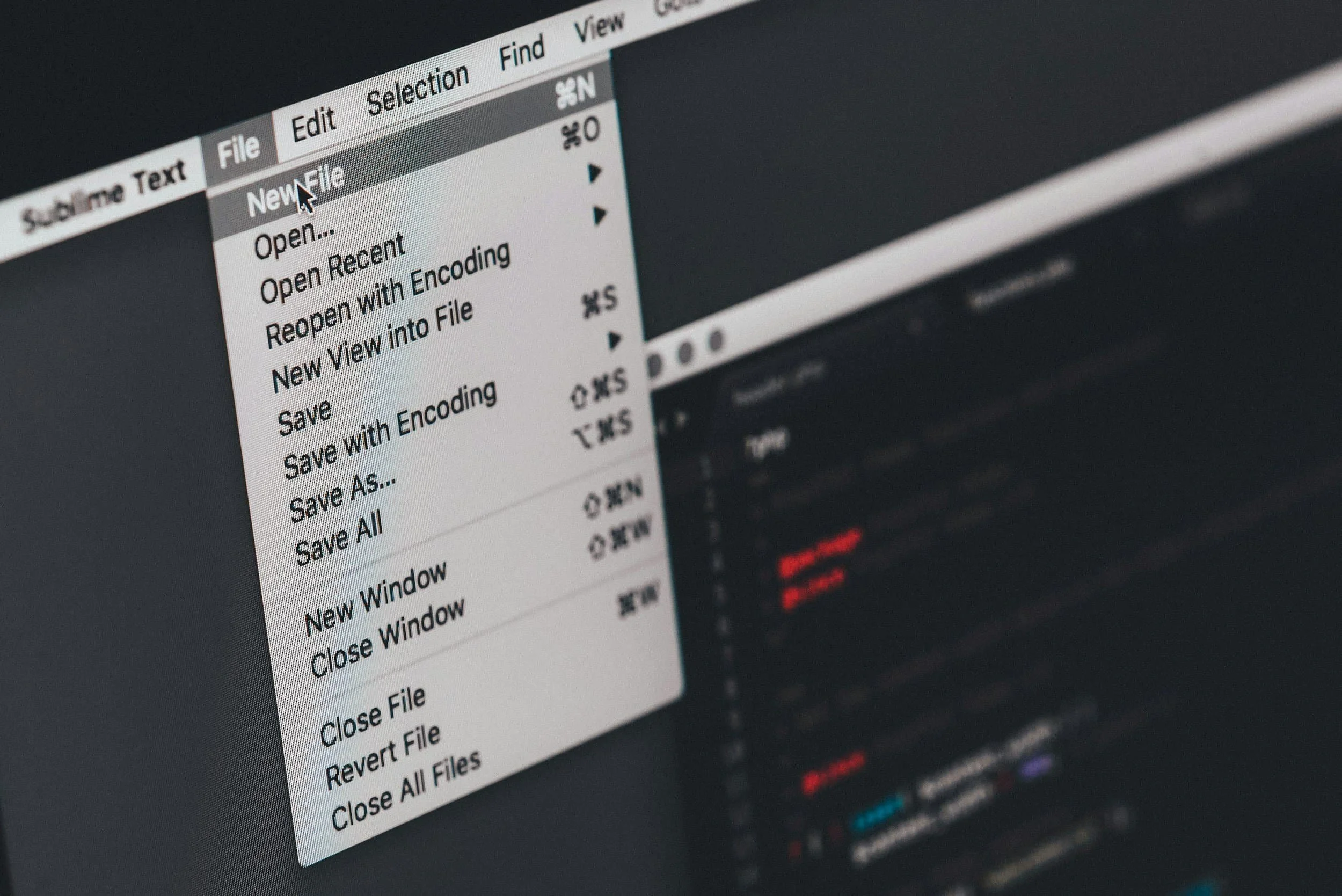
Search engines track how users behave on your site. If people stay longer, click deeper, and interact with your content, your rankings improve.
Good UX is good SEO.
Use
• clear navigation
• predictable layouts
• strong calls to action
• consistent branding
When visitors feel confident, search engines take notice.

Add valuable content from day one
A website without content is a website without SEO.
Launch with at least a few high‑quality pages or blog posts that answer real questions your audience is searching for. This helps your site get indexed faster and positions you as an authority early.
Content is the engine behind SEO‑first web design.
Bring it all together
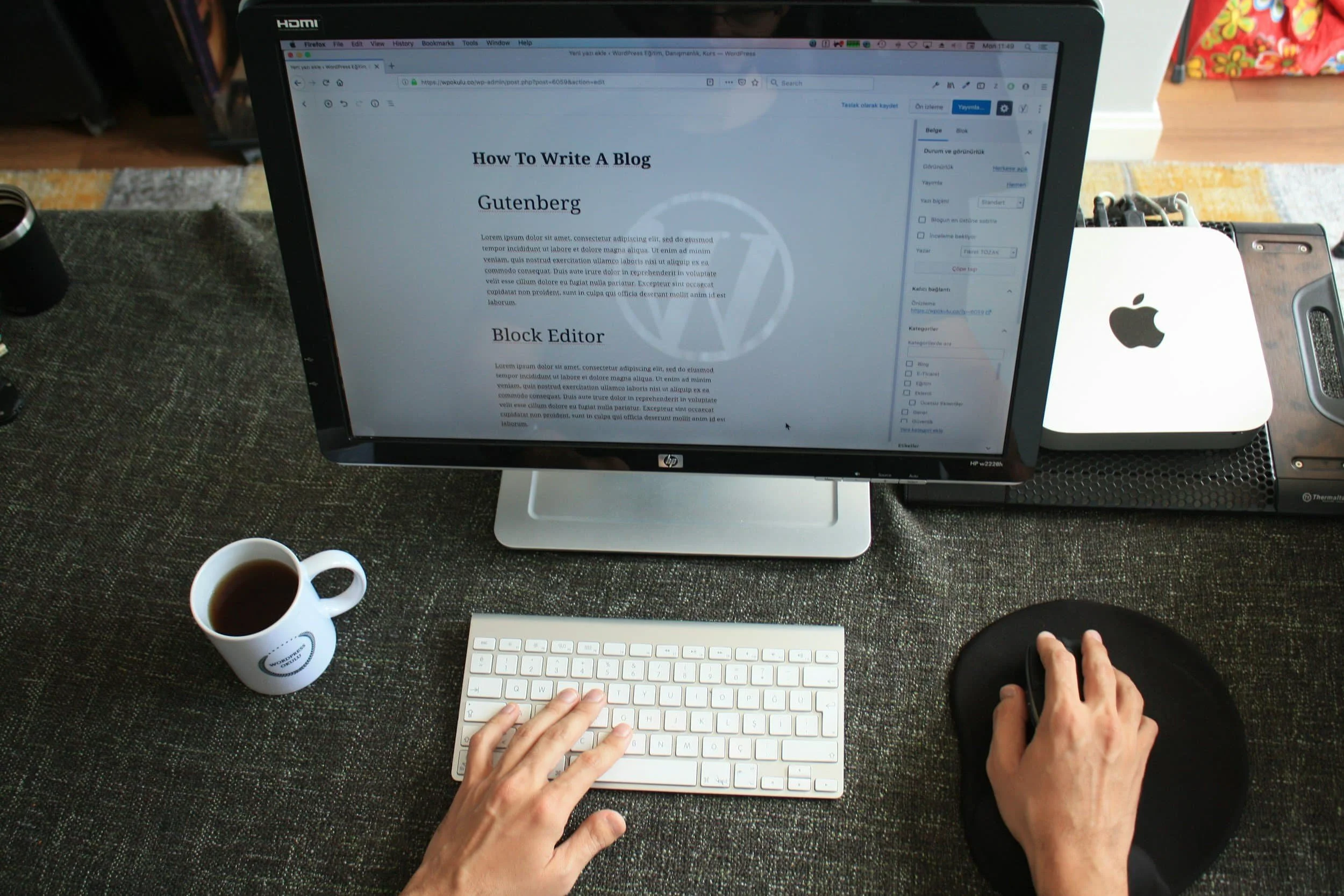
When SEO and design work together from the start, your website becomes more than a digital brochure. It becomes a discoverable, scalable, search‑ready asset that grows with your business.
That’s the power of SEO‑first web design.
Want a website that ranks from day one?
If you want a site that blends beautiful design with real SEO performance, I can help. I build conversion‑focused, search‑optimized Squarespace websites that look great and get found.
Reach out and let’s build something that ranks.
